
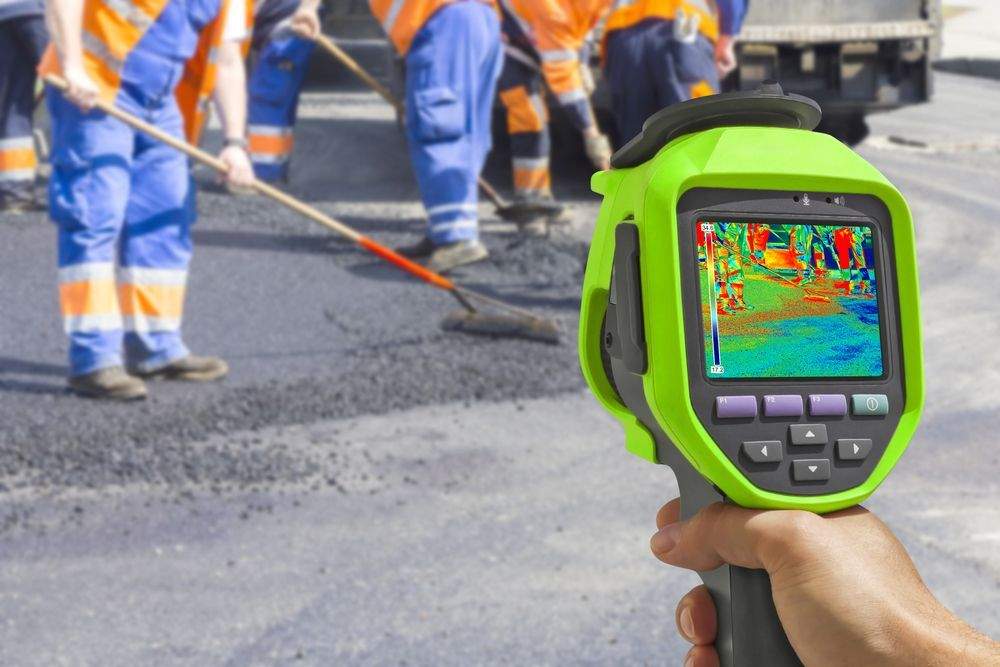
Summer is often the busiest season for industrial properties across Southern Ontario.
Warehouses are moving more products. Distribution centres are handling constant deliveries. Manufacturing facilities are operating at full capacity. Loading docks see a steady stream of trucks, trailers, forklifts, and equipment throughout the day.
While this activity is good for business, it can be hard on asphalt.
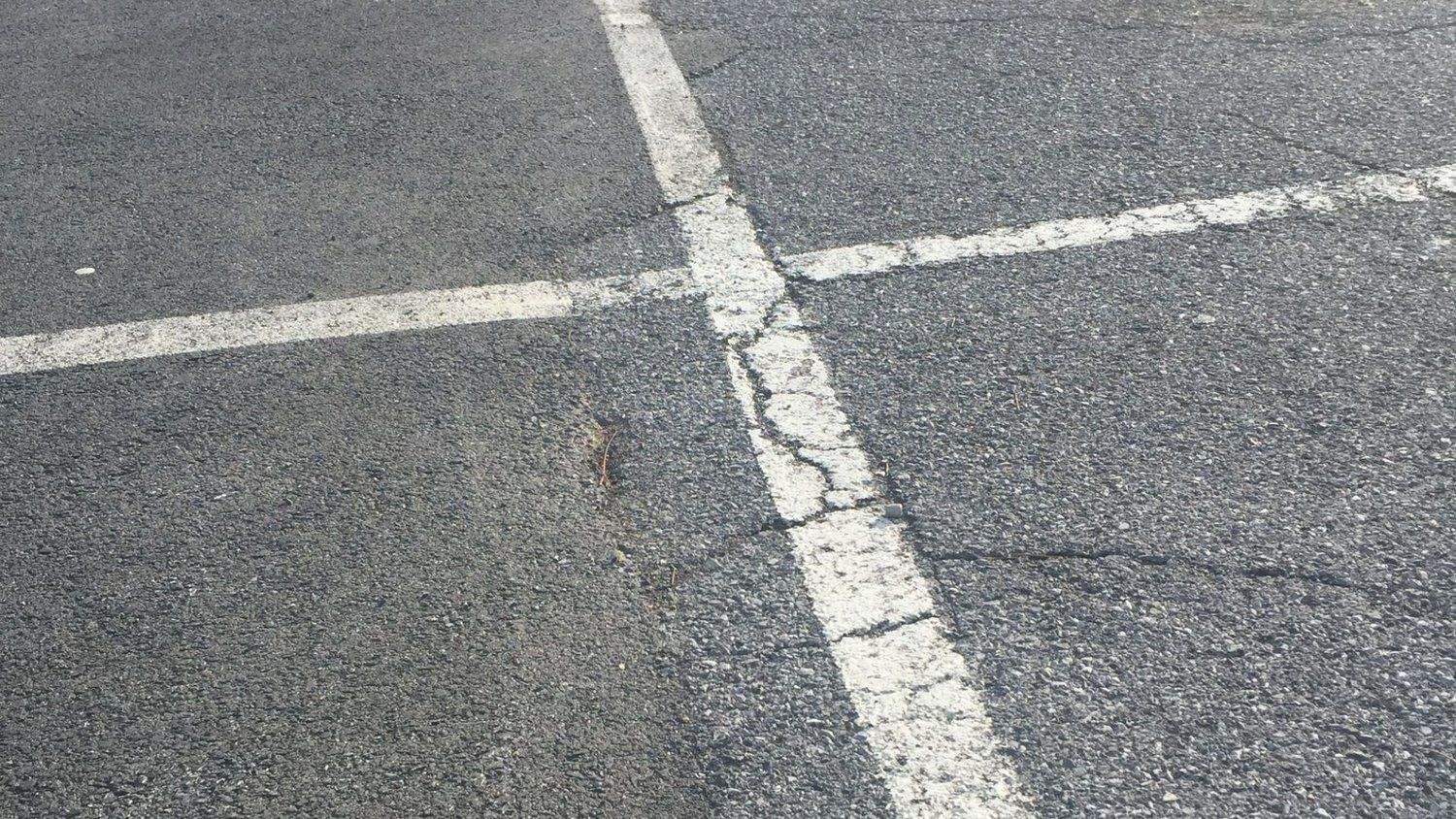
Industrial pavement takes a beating during the summer months. High temperatures, heavy loads, and constant traffic can expose weaknesses that developed during winter and spring. Small cracks become larger. Surface depressions deepen. Potholes appear where asphalt can no longer handle the pressure.
For facility managers and property owners in Kitchener, Waterloo, Cambridge, Guelph, Milton, Burlington, Oakville, Mississauga, Toronto, and surrounding areas, understanding why industrial asphalt fails faster in summer can help prevent costly repairs.
The good news is that many of these issues can be addressed early with infrared asphalt repair and a proactive pavement maintenance strategy.
Why Does Summer Create More Stress on Industrial Asphalt?
Many people assume winter causes the most asphalt damage. Winter certainly creates problems, but summer often reveals them.
Asphalt is a flexible material. When temperatures rise, the surface becomes softer than it is during cooler months. This isn’t usually a problem for standard vehicle traffic, but industrial properties deal with much heavier loads.
During summer, industrial asphalt must withstand:
- Tractor trailers
- Transport trucks
- Forklifts
- Shipping containers
- Delivery vehicles
- Heavy equipment
- Constant turning movements
When these loads repeatedly travel over weakened pavement, damage accelerates. Areas that survived winter may suddenly begin showing signs of failure by July and August.
Why Do Loading Docks Experience the Most Pavement Damage?
Loading docks are some of the hardest-working areas on any industrial property. Unlike standard parking lots, loading areas experience concentrated pressure in the same locations every day.
A transport truck backing into a loading bay places tremendous weight on a relatively small area of pavement. Now multiply that by dozens or even hundreds of truck movements each week.
Over time, loading dock pavement develops:
- Surface depressions
- Cracks
- Rutting
- Potholes
- Failed asphalt patches
These areas often become the first locations where property managers notice significant deterioration.
How Do Forklifts Contribute to Asphalt Failure?
Forklifts may not weigh as much as transport trucks, but they create a different type of stress. Unlike vehicles with larger tires, forklifts often concentrate weight onto smaller contact points.
Their frequent stopping, turning, and pivoting creates pressure that can wear down asphalt surfaces over time. Industrial facilities often see forklift-related damage in:
- Loading zones
- Shipping yards
- Storage areas
- Warehouse entrances
- Equipment staging areas
When combined with summer heat, this constant pressure can cause existing cracks and weak spots to deteriorate more quickly.
What Happens to Asphalt During Hot Weather?
Asphalt naturally expands and softens when temperatures rise. This is normal.
However, when asphalt has existing weaknesses, heat makes those problems worse. For example:
- A small crack that formed during winter may expand during summer.
- A weak patch repair completed years ago may begin separating from surrounding pavement.
- A section of asphalt with poor drainage may soften more quickly after rainfall.
Once traffic moves across these weakened areas, visible damage often follows. That is why many industrial property owners notice pavement issues increasing during the hottest months of the year.
Why Do Industrial Parking Lots Develop Potholes So Quickly?
Potholes rarely appear without warning. They usually begin as small pavement defects. The process often looks like this:
- A crack forms.
- Water enters the pavement.
- Freeze-thaw cycles weaken the base.
- Summer traffic applies pressure.
- Asphalt breaks apart.
The final result is a pothole. Unfortunately, potholes do not stay small for long. Heavy trucks and forklifts repeatedly hitting damaged areas cause them to expand quickly. This is why parking lot pothole repair should never be delayed.
How Can Property Managers Spot Asphalt Problems Early?
The best time to repair pavement is before major failure occurs. Regular inspections can help identify issues while they are still manageable. Watch for:
Surface Cracking
Even small cracks can indicate larger issues beneath the pavement.
Depressions
Low areas often signal base deterioration.
Standing Water
Water that remains after rain can accelerate pavement damage.
Loose Asphalt
Raveling or loose aggregate often indicates surface wear.
Previous Repair Failures
Old patches sometimes fail before surrounding pavement.
Early intervention often saves significant repair costs later.
Why Is Infrared Asphalt Repair Ideal for Industrial Properties?
Traditional asphalt patching has been used for decades. While it can solve immediate problems, it often creates joints between old and new pavement. These joints become weak points where water can enter.
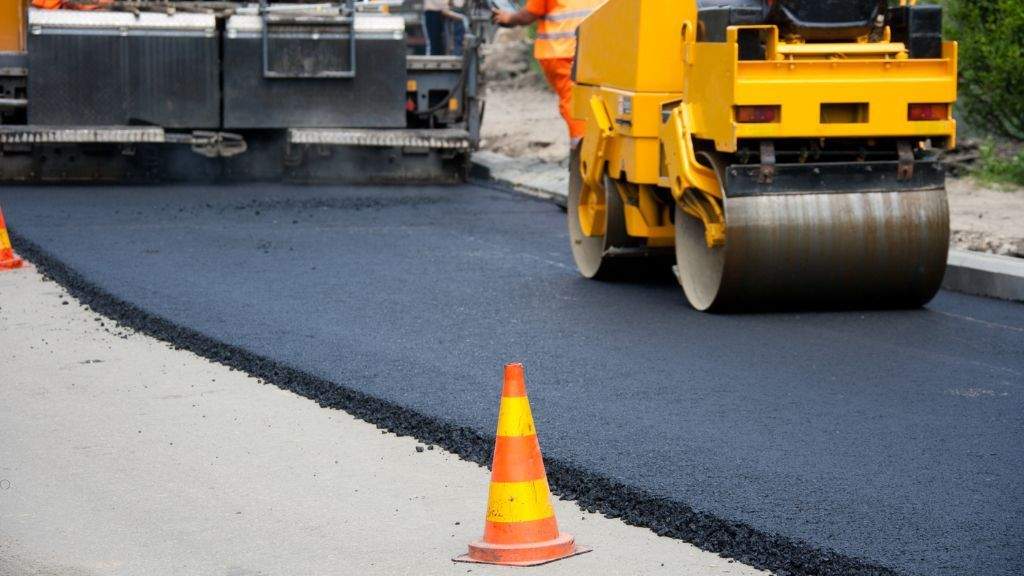
Infrared asphalt repair works differently. Instead of cutting out sections of pavement, infrared equipment reheats the existing asphalt surface. The softened asphalt is then blended with new material and compacted into place. This creates a seamless repair that bonds with surrounding pavement.
For industrial properties, this offers several advantages.
How Does Infrared Asphalt Repair Work?
The process is straightforward but highly effective. First, specialized infrared heaters warm the damaged asphalt. Once heated, the asphalt becomes workable. Technicians then:
- Rake the repair area
- Add fresh asphalt material if needed
- Blend the existing and new asphalt together
- Compact the surface
The finished repair becomes part of the surrounding pavement rather than a separate patch. This helps improve durability and appearance.
Why Do Industrial Facilities Choose Infrared Repairs?
Industrial operations often cannot afford lengthy disruptions. Closing loading docks or restricting access can affect productivity.
Infrared asphalt repair helps minimize downtime because repairs are typically completed faster than traditional removal and replacement methods. Benefits include:
- Faster repairs
- Less disruption
- Seamless appearance
- Reduced material waste
- Long-lasting results
For busy industrial sites, this makes infrared repair a practical maintenance solution.
How Does Crack Sealing Protect Industrial Pavement?
Cracks are one of the earliest warning signs of asphalt deterioration. When left untreated, they allow water to reach the pavement foundation.
Professional crack sealing helps prevent this. Using hot rubber crack filling materials, technicians seal openings before moisture can cause additional damage. Benefits include:
- Reduced water infiltration
- Slower crack growth
- Improved pavement life
- Lower future repair costs
For industrial properties, crack sealing often becomes one of the highest-return maintenance investments.
Why Does Sealcoating Matter for Industrial Sites?
Many industrial property owners focus on repairs but overlook protection.
Commercial asphalt sealcoating helps protect the pavement surface from:
- UV exposure
- Water penetration
- Chemical spills
- Oil drips
- Daily traffic wear
Sealcoating cannot repair structural damage, but it can help extend the life of healthy pavement. When combined with crack sealing and infrared repair, it becomes an important part of a complete maintenance strategy.
What Areas of Industrial Properties Need the Most Attention?
Some pavement areas fail faster than others. Property managers should prioritize:
Truck Routes
Heavy traffic accelerates wear.
Loading Docks
Repeated truck movement stresses asphalt.
Trailer Storage Areas
Static loads can create surface deformation.
Warehouse Entrances
Forklift traffic increases pavement stress.
Shipping and Receiving Zones
Constant activity leads to faster deterioration.
Focusing maintenance efforts on these locations often delivers the greatest return on investment.
Why Is Summer the Best Time for Pavement Repairs?
Summer temperatures provide ideal conditions for many asphalt maintenance services. Warm weather helps materials bond properly and allows repairs to cure effectively. Summer is often the best time to schedule:
- Infrared asphalt repair
- Parking lot pothole repair
- Asphalt crack sealing
- Commercial asphalt sealcoating
- Line painting and markings
Addressing problems during summer also helps prepare pavement for the next winter season.
What Happens When Industrial Asphalt Maintenance Is Delayed?
Ignoring pavement issues usually leads to higher costs. Small repairs become larger projects. Cracks become potholes. Localized damage spreads across larger sections of pavement.
Eventually, property owners may face:
- Extensive asphalt reconstruction
- Operational disruptions
- Vehicle damage claims
- Increased liability exposure
A proactive maintenance plan helps avoid these outcomes.
How Can Industrial Property Owners Extend Pavement Life?
The most successful properties follow a preventative maintenance strategy. This typically includes:
- Annual inspections
- Crack sealing
- Infrared asphalt repair
- Sealcoating
- Line painting updates
Together, these services help extend pavement life, improve safety, and reduce long-term costs.
Why Are More Industrial Properties Investing in Preventative Maintenance?
Facility managers today are under pressure to control operating costs. Preventative pavement maintenance helps achieve that goal.
Instead of reacting to emergencies, property owners can schedule repairs strategically and manage budgets more effectively. This approach helps:
- Reduce unexpected expenses
- Improve property appearance
- Maintain safe working environments
- Extend pavement lifespan
For industrial facilities throughout Southern Ontario, preventative maintenance remains the most cost-effective approach to asphalt management.
Ready to Protect Your Industrial Asphalt This Summer?
Heavy trucks, forklifts, and summer heat place enormous stress on industrial pavement.
The sooner problems are identified, the easier and more affordable they are to repair.
Whether your property needs infrared asphalt repair, crack sealing, commercial asphalt sealcoating, or parking lot maintenance, taking action early can help prevent larger failures later.
Black & Yellow Pavement helps industrial and commercial properties throughout Kitchener, Waterloo, Cambridge, Guelph, Milton, Burlington, Oakville, Mississauga, Toronto, and surrounding communities protect their asphalt investment with practical, long-lasting maintenance solutions.
Black & Yellow Pavement
125 Lennox Lewis Way
Kitchener, ON N2C 2V1
📞 (416) 409-8459