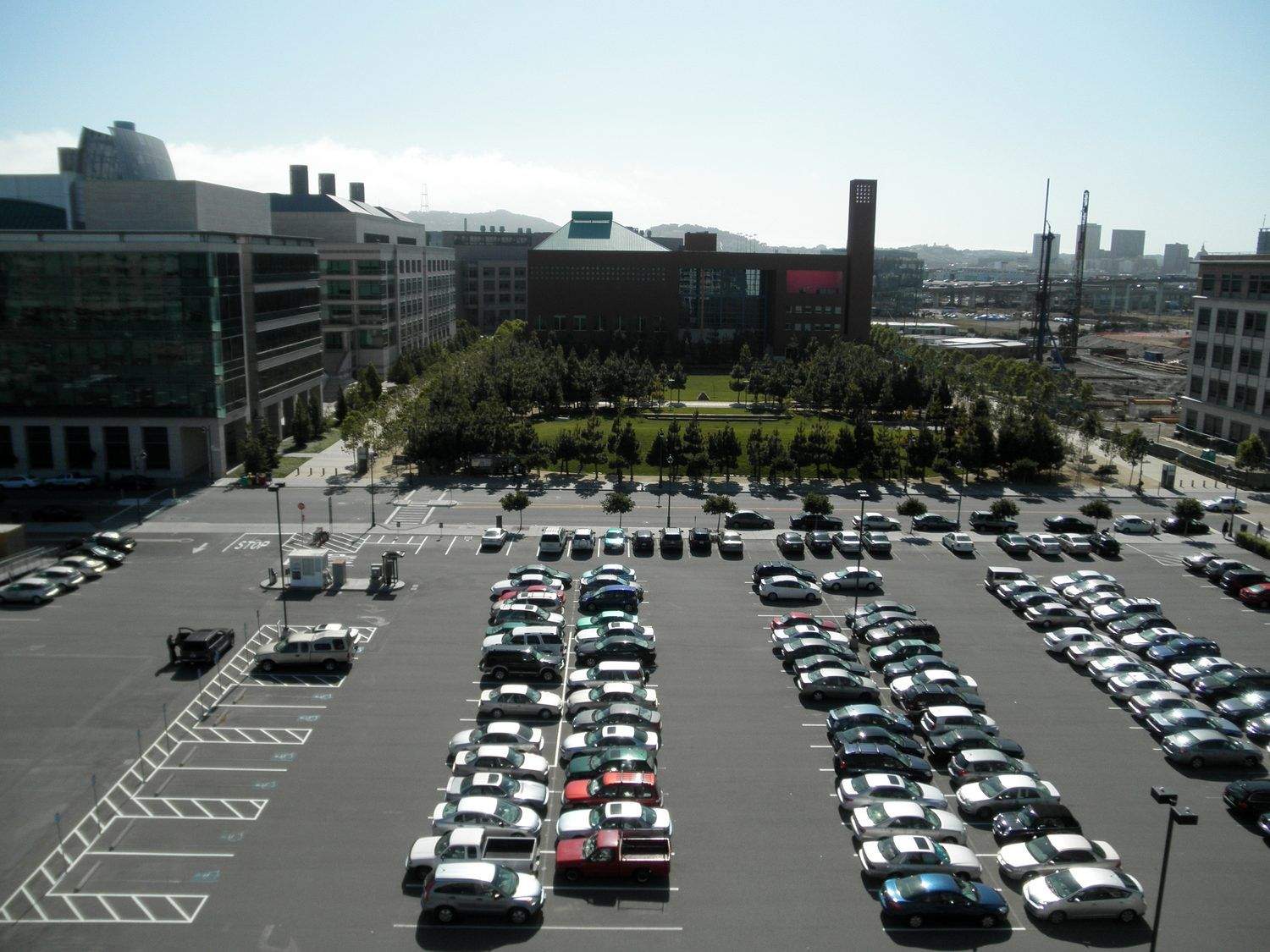


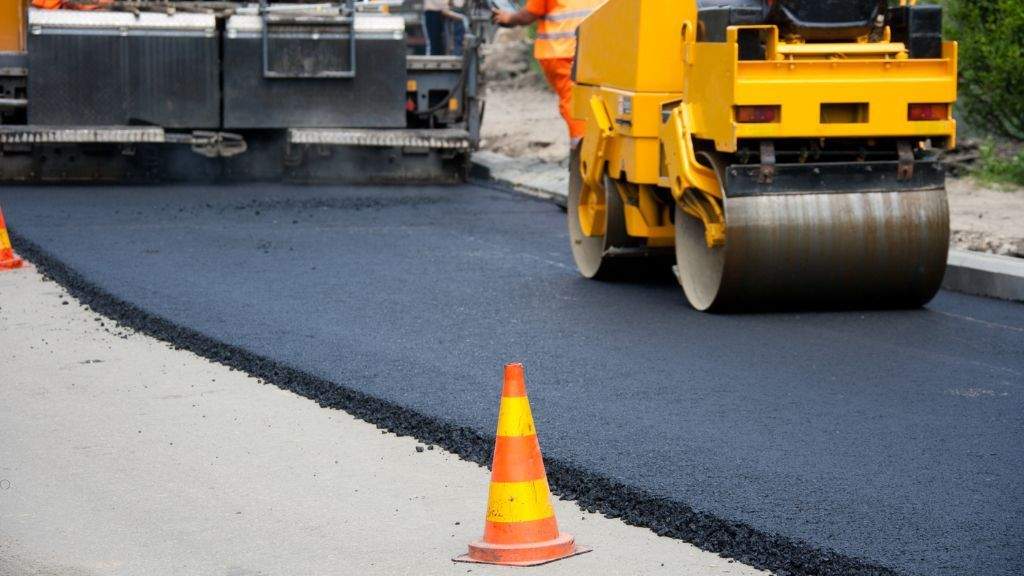
A property manager calls in early November wanting a full parking lot reconstruction. The lot has been deteriorating all year, the budget finally got approved, and now they want it done before the snow flies. The problem is that by early November, the calendar has already closed on that request, not because of scheduling backlogs, but because the asphalt itself won’t perform the way it’s supposed to once ground and air temperatures drop far enough. Pave too late in the season and the crew isn’t fighting a scheduling issue anymore, they’re fighting physics.
Fall in Ontario isn’t a long, gentle taper into winter. It’s a short window where daytime conditions are still workable but nighttime temperatures are already dropping, and that window shrinks fast once the calendar turns toward late autumn. Property managers, industrial operators, and municipalities who wait until the first cold snap to think about paving are usually finding out the hard way that the project either has to be rushed, postponed to spring, or done in conditions that compromise the finished surface.
In this article:
- Why asphalt paving has a hard stop each year, not a soft suggestion
- What actually happens to asphalt when it’s laid too cold
- How Ontario’s fall weather compresses the paving window
- New paving versus reconstruction: why cold weather raises the stakes differently
- What needs to be locked in before the window closes
- Why waiting until spring usually costs more than it seems
Why Asphalt Paving Has a Hard Stop Each Year, Not a Soft Suggestion
Asphalt is a hot mix product. It arrives at the site at a high temperature and has to be spread, graded, and compacted while it’s still workable, before it cools past the point where the material can be properly densified. Once ground temperatures drop enough that the mix loses its workable heat too quickly after it’s placed, compaction becomes unreliable no matter how skilled the crew is.
That’s the part that gets missed by anyone thinking about paving purely in terms of air temperature on the day of the pour. The ground itself needs to hold enough residual warmth that the fresh mix doesn’t cool from the bottom up before the roller has done its job. Late in the season, cold ground pulls heat out of the asphalt fast, and a crew paving in October is working with a different set of physics than the same crew paving in July, even on a day where the air temperature feels similar.
This is why reputable paving contractors treat the fall cutoff as a hard limit rather than a flexible suggestion. Pushing a paving date past that point doesn’t just risk a slightly less polished surface, it risks a structural problem that shows up as premature cracking and raveling the following year.
What Actually Happens to Asphalt When It’s Laid Too Cold
Compaction is what gives asphalt its strength. Rolling the mix while it’s still hot presses the aggregate together and drives out air voids, creating a dense surface that resists water penetration and distributes traffic load evenly. When the mix cools too quickly during placement, the roller can’t achieve that density before the asphalt sets.
The result is a surface that looks finished on the day it’s poured but is structurally weaker underneath. Air voids that should have been compacted out stay trapped in the mix. Those voids become entry points for water, and water sitting inside asphalt during a Southern Ontario winter is exactly the scenario that accelerates freeze-thaw damage, the pavement cracking apart from the inside as trapped moisture expands and contracts through repeated freezing cycles. A lot paved too cold in November can look fine through the winter and then start showing cracking and surface raveling within the following year, well ahead of when a properly compacted lot would show the same wear.
How Ontario’s Fall Weather Compresses the Paving Window
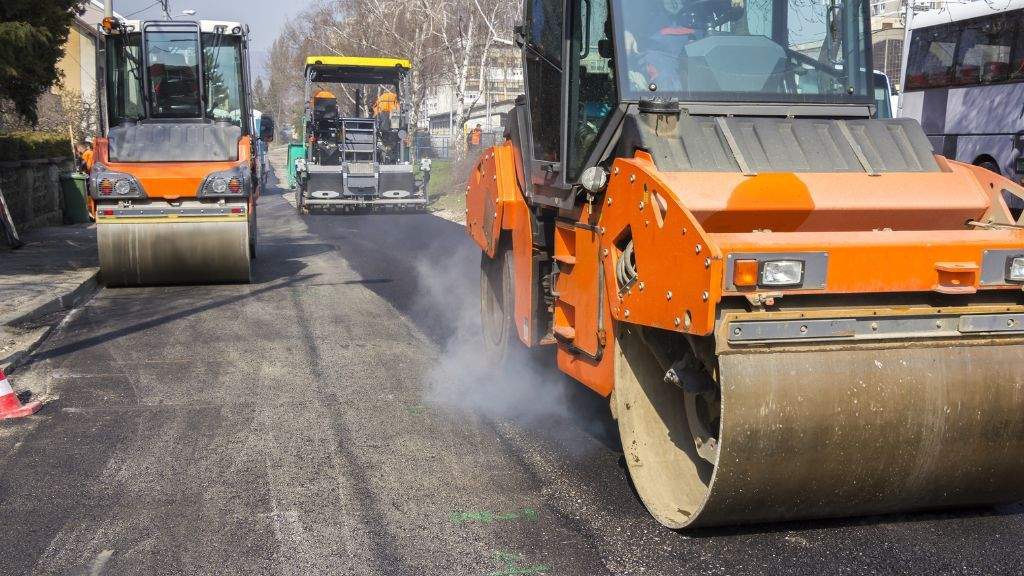
Ontario’s fall weather doesn’t decline in a straight line. It’s common to get a run of mild, sunny days followed by a sharp overnight temperature drop, then a return to workable conditions for another stretch. That variability is exactly why fall paving needs to be scheduled with margin built in rather than pinned to a single date on the calendar.
A contractor experienced in this region plans around that swing by watching both the extended forecast and ground conditions, not just the day’s high temperature, and by building buffer days into the schedule so a sudden cold front doesn’t derail the whole project. Waiting until the calendar looks obviously wintry to start thinking about paving means missing that buffer entirely, since by the time cold, snowy weather has clearly settled in, the workable window has already closed for the season.
New Paving Versus Reconstruction: Why Cold Weather Raises the Stakes Differently
Not every fall paving project carries the same risk if it gets pushed too late. The distinction matters:
- New paving over a previously unpaved or gravel base has more room for error, since there’s no existing structure that’s already failing
- Full-depth reconstruction of a deteriorated lot is far less forgiving, because it usually involves base repair work that also needs workable ground conditions to be done correctly
- Overlay projects sit in between, since the existing surface provides some structure but the new layer still needs proper compaction to bond and perform
- Municipal and industrial paving jobs often involve larger surface areas, which take longer to complete and leave less margin if weather turns mid-project
This is where the counterintuitive advice actually matters. Many property managers assume that getting a paving job started, any part of it, before winter is better than waiting until spring. In reality, a reconstruction project where the base work gets rushed to beat the cold often ends up worse than one postponed to the following spring. As the team at Black and Yellow Pavement Maintenance often tells clients, a rushed base is a spring problem waiting to happen, and it’s almost always cheaper to wait three or four months than to redo a section that failed because it was compacted in marginal conditions.
What Needs to Be Locked In Before the Window Closes
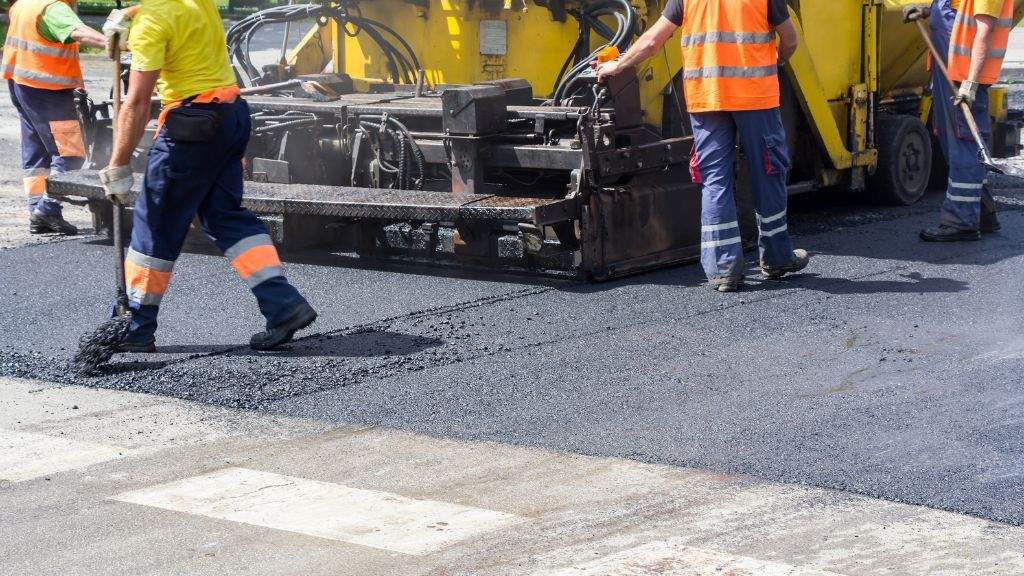
Getting a paving project onto the calendar before conditions turn isn’t just about picking a date. It requires:
- A site assessment early enough that base repairs, if needed, can be completed within the workable window
- A contractor with the crew capacity to commit to a firm start date rather than a general timeframe
- Contingency scheduling in case of a weather delay, so a rained-out or unexpectedly cold week doesn’t push the whole project past the cutoff
- Clear communication about drainage and grading needs, since correcting those issues after paving is far more disruptive than addressing them beforehand
Booking a free site inspection as early in the season as possible gives a contractor room to actually plan around Ontario’s fall weather pattern, instead of trying to compress a full assessment and paving job into whatever days happen to still be workable.
Why Waiting Until Spring Usually Costs More Than It Seems
It’s tempting to assume a lot can just limp through the winter and get paved once the weather warms up. In practice, a lot that was already deteriorating enough to need paving this fall doesn’t hold steady over a Southern Ontario winter. Existing cracks widen under freeze-thaw cycling, potholes that were manageable in October can grow significantly by March, and the base underneath may take on additional damage from water infiltration that wasn’t there when the project was first scoped.
That means a project priced and planned in September can come back larger and more expensive in April, simply because winter did what winter does to unprotected asphalt. Getting ahead of the fall deadline isn’t just about convenience, it’s often the difference between a planned paving project and an emergency repair budget the following spring.
Don’t Miss This Year’s Paving Window
If your parking lot, access road, or industrial yard needs paving before the next winter sets in, the time to act is now, not once the forecast turns cold. Black and Yellow Pavement Maintenance works with property managers and industrial operators across Cambridge and the surrounding region to schedule fall paving projects with real margin for Ontario’s weather. Request a free site inspection today to get your project locked into the schedule before the window closes.