

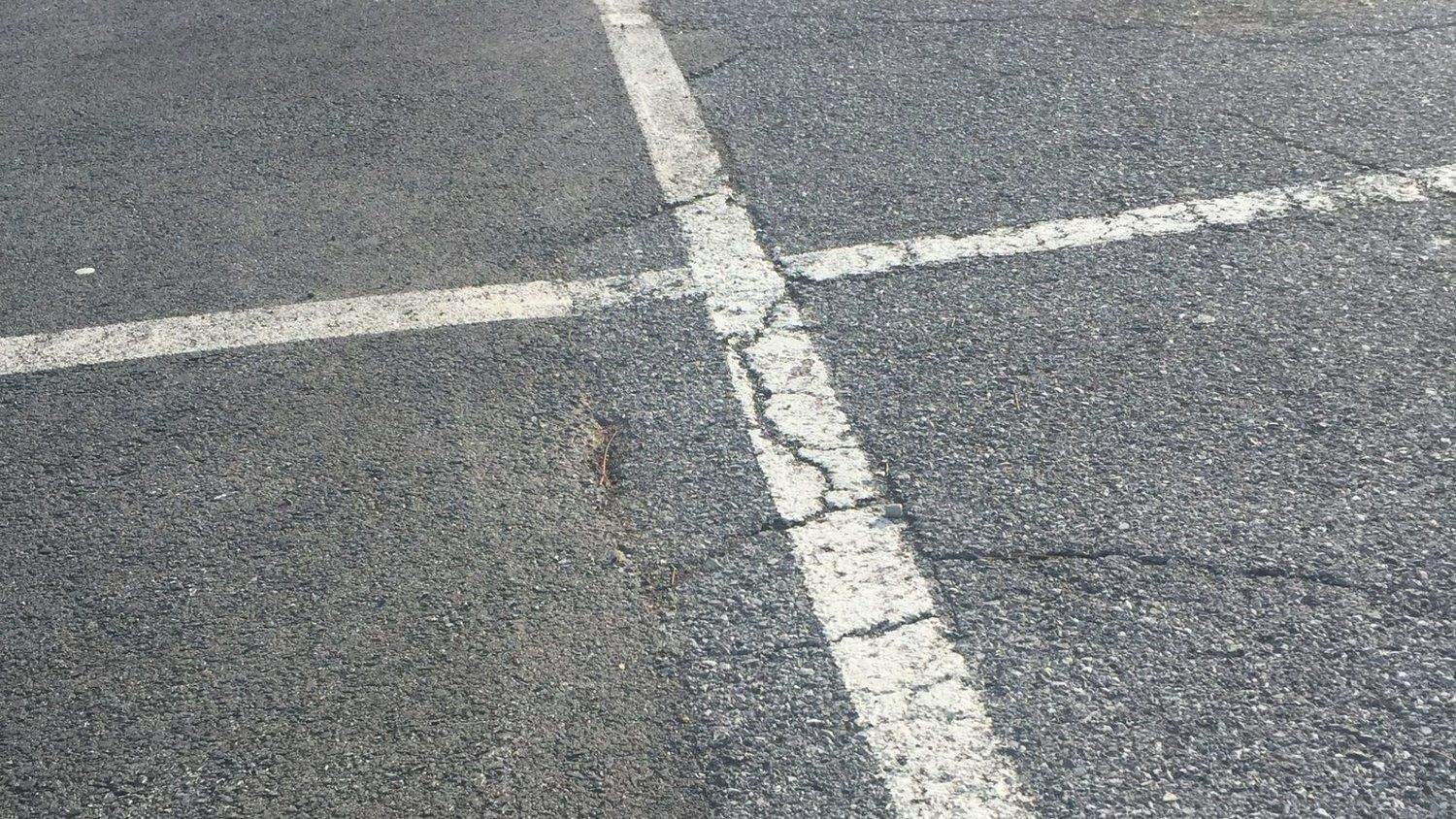
A plaza manager walks the lot on a quiet Tuesday morning in October and it looks fine. A few cracks near the entrance, a faded stall line or two, nothing that seems urgent. Six weeks later, that same lot is absorbing three times its normal traffic every single day, delivery trucks are running the loading dock around the clock to keep shelves stocked, and shoppers are circling for a spot longer than they’d like. The cracks that looked minor in October have widened under that pressure, the potholes that were manageable are now catching wheels in the dark at five o’clock, and the property manager is fielding complaints instead of planning for them.
Retail lots don’t fail gradually during the holiday season. They fail fast, because holiday traffic doesn’t behave like normal traffic. It’s denser, it’s more frequent, and it runs later into the evening when visibility is already lower. Any weakness already sitting in the pavement gets found and exploited within the first few heavy shopping weekends, usually starting with Black Friday itself.
In this article:
- Why Black Friday weekend is the single hardest stress test a retail lot faces
- The damage that builds all year and gets exposed in one weekend
- What happens when repairs get skipped and the lot fills up anyway
- The repair window that actually works before holiday traffic hits
- Priority repairs for retail centers heading into the holidays
- Booking early: why October beats November every time
Why Black Friday Weekend Is the Single Hardest Stress Test a Retail Lot Faces
Most retail lots are built and maintained around an average traffic pattern, steady flow through the week, a bit heavier on weekends. Black Friday weekend blows past that average almost immediately. Cars are circling for spots rather than pulling straight in, which means more braking, more turning, and more concentrated wear on the same access lanes and intersections inside the lot. Delivery frequency spikes as stores restock daily instead of weekly. Foot traffic spreads further across the lot as overflow parking pushes shoppers into spaces that see far less use the rest of the year.
That combination puts stress on sections of pavement that were never designed to carry it, at the exact time of year when closing part of the lot for emergency repairs is the worst possible option. A retail center that hasn’t addressed its pavement condition before this surge is essentially asking a weakened structure to perform at its peak under its heaviest load, in low light, with the least room for error all year.
The Damage That Builds All Year and Gets Exposed in One Weekend
Cracks don’t appear because of holiday traffic. They appear months earlier, from ordinary seasonal cycling, and they sit quietly getting slightly wider every time water gets into them and freezes. What holiday traffic does is expose damage that was already there, because heavier and more frequent loading finds every weak point in the surface far faster than routine daily use would.
A crack that’s been slowly opening since spring might not have widened enough to bother anyone under normal traffic. Put a few thousand extra vehicle passes and a steady stream of delivery trucks over it in the span of a few weeks, and that same crack can progress into a pothole well ahead of its usual timeline. The pavement isn’t getting weaker because it’s the holidays, it’s getting exposed because the load finally caught up to the damage that was already sitting there.
What Happens When Repairs Get Skipped and the Lot Fills Up Anyway
Skipping pre-holiday repairs doesn’t mean the problems disappear, it means they show up as something else. A pothole near a high-traffic entrance becomes a liability incident when a shopper turns an ankle stepping around a cart in the dark. A crumbling loading zone slows down delivery trucks trying to restock during the busiest sales window of the year. Worn or faded stall lines make an already congested lot feel more chaotic, and shoppers frustrated by poor traffic flow are exactly the customers a retail center doesn’t want to lose during peak season.
There’s also a scheduling reality that catches a lot of property managers off guard. Once the holiday season is underway, closing any part of the lot for repair work becomes far more disruptive, both to tenants and to customer traffic. What could have been a routine, low-impact repair in October turns into a project that has to be squeezed into off-hours or delayed entirely until after New Year’s, by which point the damage has had another two months to get worse.
The Repair Window That Actually Works Before Holiday Traffic Hits
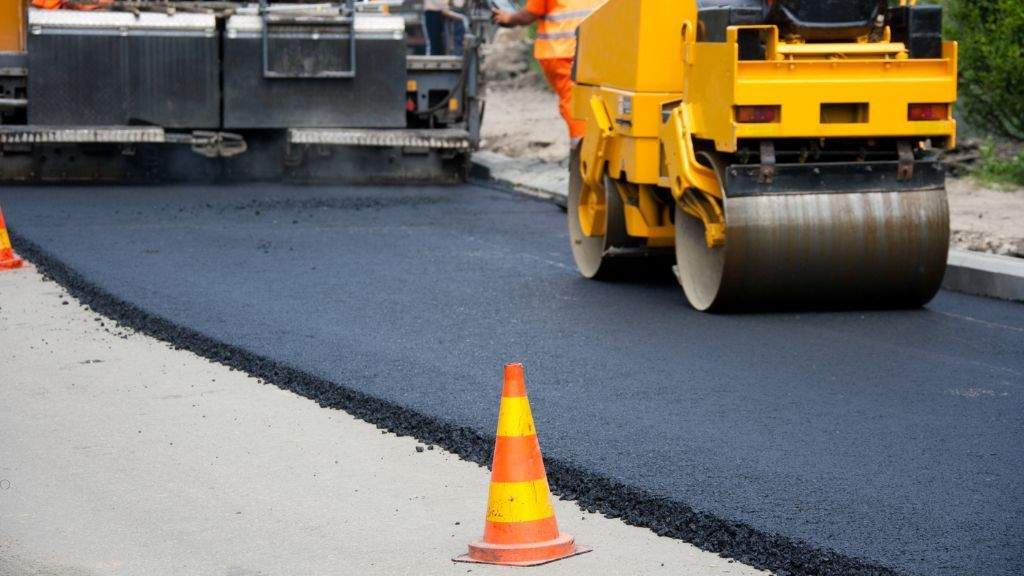
Getting ahead of Black Friday means working backward from the calendar, not forward from when the budget happens to get approved. Crack sealing and patch repairs need dry, workable pavement and enough cure time before the lot sees heavy traffic again. Sealcoating needs even more lead time, since it requires a full closure window for curing and ideally shouldn’t be squeezed in right before the surface has to handle its heaviest load of the year.
That means the real deadline for holiday-focused repairs isn’t Black Friday weekend itself, it’s several weeks before that, while daytime temperatures are still cooperative and the lot can absorb a partial closure without disrupting peak shopping traffic. A retail center that starts thinking about repairs in mid-November has already missed the window where the work can be done properly and cured in time.
Priority Repairs for Retail Centers Heading Into the Holidays
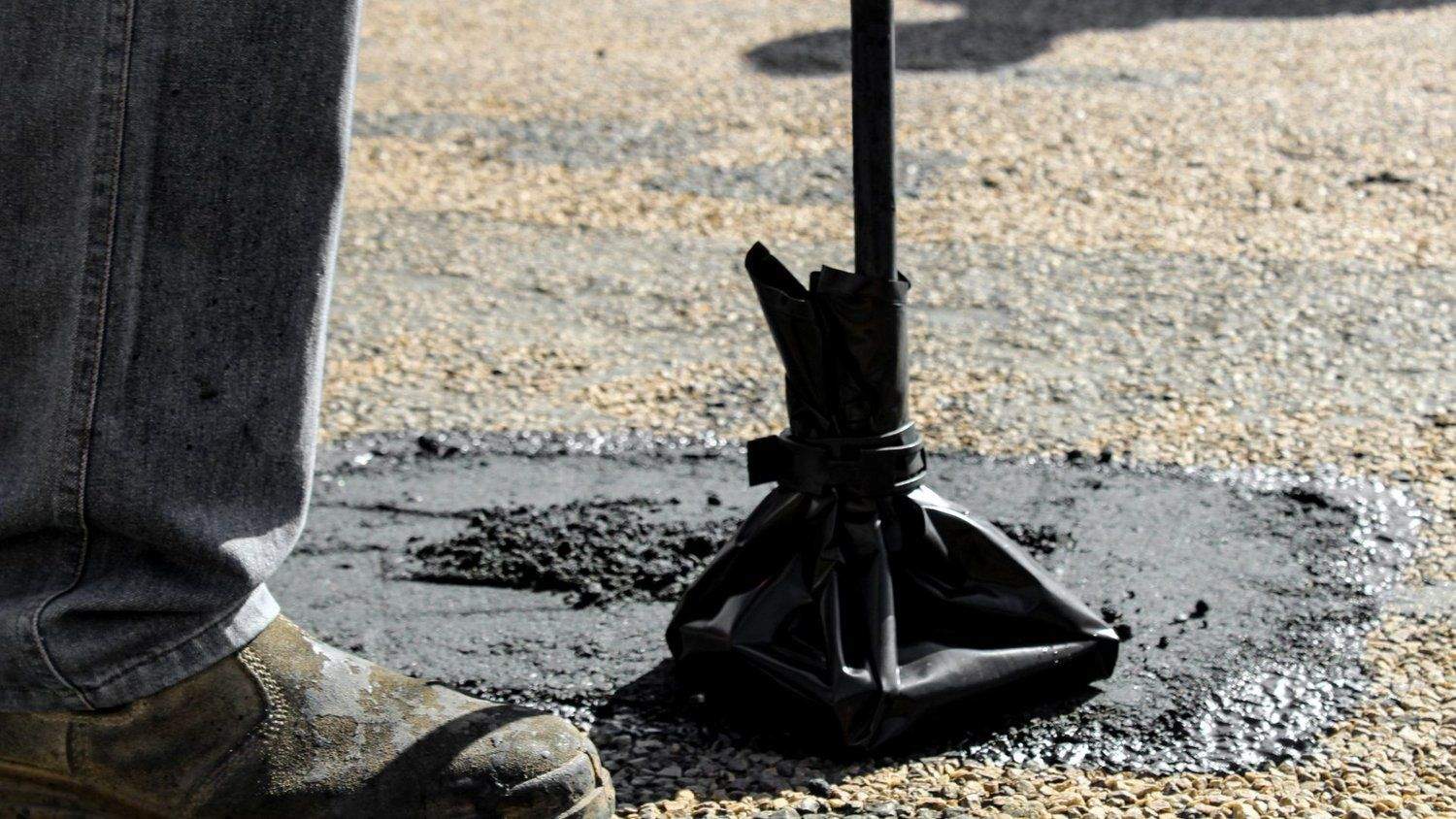
Not every repair carries equal weight going into the busiest shopping season of the year. A property manager working with a limited window and a limited budget should prioritize:
- Potholes and alligator cracking near main entrances, where the highest volume of shopper traffic will concentrate
- Loading zone and delivery lane surfaces, since holiday restocking puts these areas under near-constant use
- Faded crosswalks and stall lines in overflow parking areas that will see far more use than usual
- Drainage issues that cause standing water, which becomes a slip hazard once evening shoppers are moving through the lot in the dark
- Any curb or wheel-stop damage near high-traffic aisles, which becomes more hazardous as pedestrian volume increases
Addressing these areas first gets the highest-traffic, highest-risk parts of the lot handled even if a full property-wide repaving isn’t realistic before the season starts.
Booking Early: Why October Beats November Every Time
The single biggest mistake retail property managers make with holiday prep isn’t skipping maintenance altogether, it’s waiting until the season feels close enough to be urgent. By the time Black Friday is a few weeks out, contractor schedules across the region are already filling with other property managers who had the same idea at the same time, and workable weather windows for crack sealing and sealcoating are narrowing fast.
As the team at Black and Yellow Pavement Maintenance points out, the retail centers that come through the holiday season with the fewest complaints are almost never the ones with the biggest maintenance budgets, they’re the ones who booked their site inspection in early fall instead of waiting for the first cold week to force the issue. Locking in a repair schedule while there’s still flexibility in the calendar means the work gets done properly, cures fully, and holds up under the exact traffic surge it was meant to survive.
Get Your Lot Ready Before the Rush Hits
If your retail lot has cracking, potholes, or faded markings that could turn into a liability the moment holiday traffic arrives, the time to address it is now, not the week before Black Friday. Black and Yellow Pavement Maintenance works with retail property managers across Mississauga and the wider GTA to schedule crack sealing, patching, and sealcoating projects that are fully cured and ready before the season’s heaviest traffic hits. Book a free site inspection today to lock in your repair window while there’s still time on the calendar.