
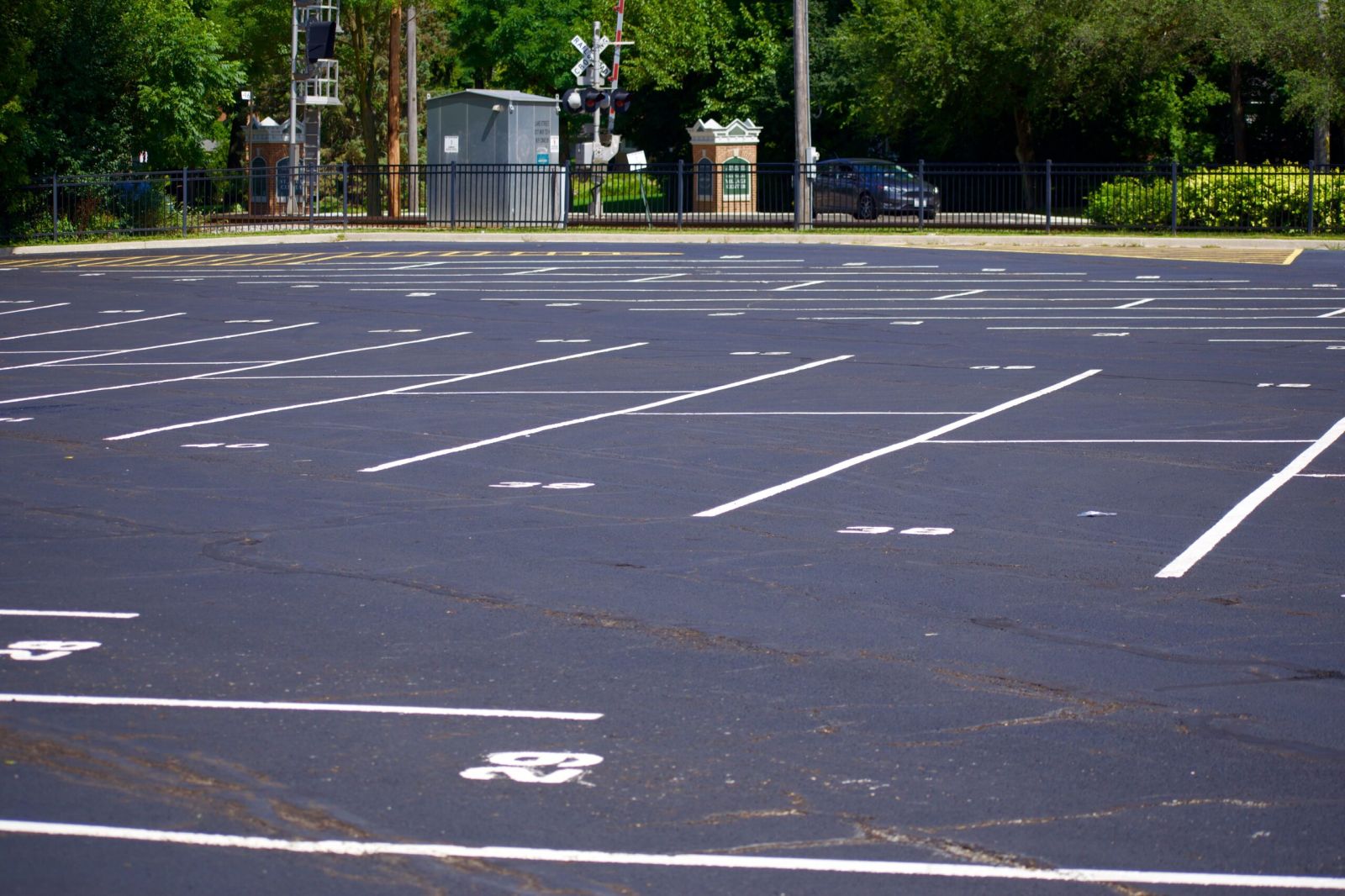
Winter can be tough on commercial parking lots.
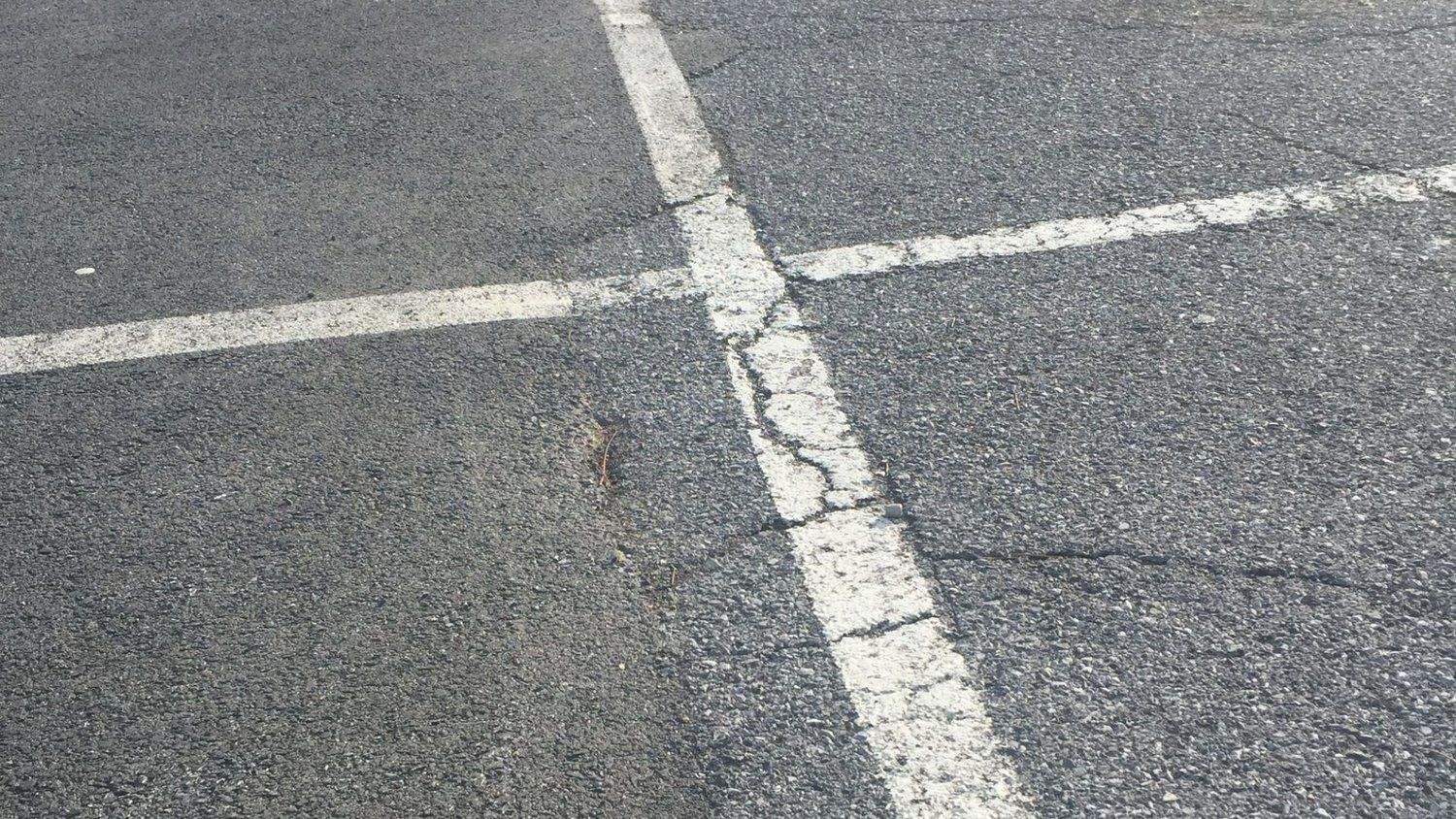
Snow, ice, salt, and freezing temperatures slowly break down asphalt surfaces. At first, the damage is not always easy to see. But once spring arrives, the signs become clear.
Cracks spread. The surface looks worn. Faded lines make parking confusing. In some areas, potholes begin to form.
This is why spring is the most important time for pavement recovery.
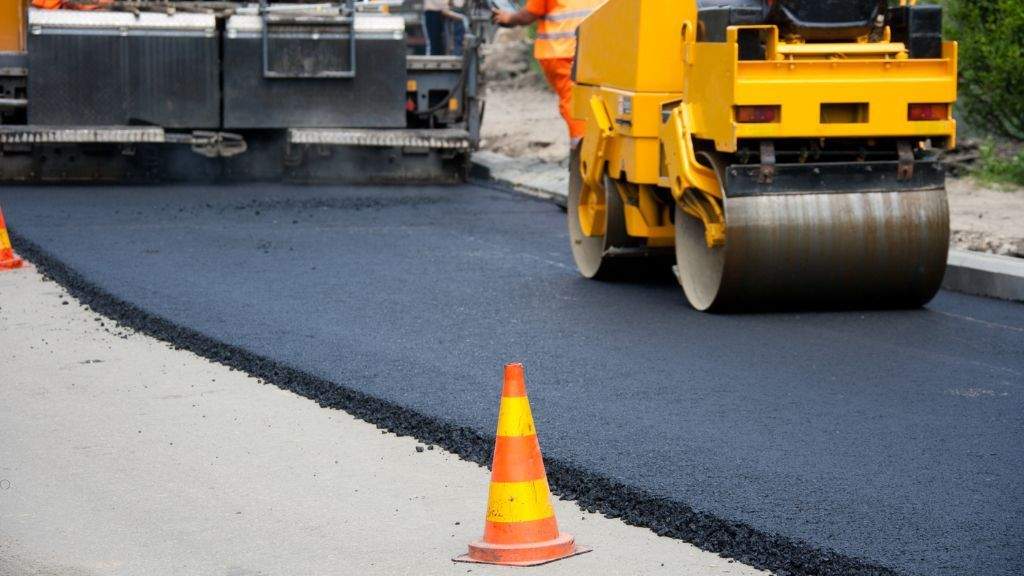
For many property managers, commercial asphalt sealcoating is one of the best ways to restore parking lots after winter. It protects the surface, improves appearance, and helps extend the life of the asphalt.
What Happens to Asphalt During Winter?
Winter weather puts a lot of stress on pavement.
As temperatures drop, water enters small cracks in the asphalt. When that water freezes, it expands and pushes the pavement apart.
This process repeats many times during the winter.
At the same time, snowplows scrape across the surface. Salt and de-icing chemicals break down the asphalt. Heavy vehicles drive over weakened areas.
By the time spring arrives, the pavement has already taken damage.
Common post-winter issues include:
- Surface cracks
- Faded asphalt color
- Loose or rough areas
- Parking lot pothole repair needs
- Worn parking lot striping
Without proper maintenance, these issues will continue to get worse.
Why Is Spring the Best Time for Pavement Recovery?
Spring is the perfect time to repair and protect asphalt.
As temperatures rise, asphalt becomes easier to work with. Snow has melted, making it easier to inspect the pavement and identify damage.
Most importantly, spring is when damage is still manageable.
If repairs are delayed, cracks grow larger and water continues to weaken the pavement. This can lead to more serious problems later in the year.
Scheduling commercial pavement maintenance in spring helps:
- Stop damage from spreading
- Improve surface condition
- Prepare pavement for summer traffic
- Reduce long-term repair costs
Sealcoating plays a major role in this recovery process.
What Is Sealcoating and How Does It Work?
Sealcoating is a protective layer applied over asphalt.
Over time, asphalt loses the natural oils that keep it flexible. This makes the surface dry and more likely to crack.
Commercial asphalt sealcoating restores that protection.
The sealcoat forms a barrier over the asphalt. It helps block water, UV rays, and chemicals from damaging the surface.
Sealcoating also gives asphalt a fresh, dark finish that improves the appearance of the entire parking lot.
Many property owners rely on commercial asphalt sealing services to protect their pavement after winter damage.
How Does Sealcoating Restore Parking Lots After Winter?
Sealcoating does more than just improve appearance.
It plays an important role in restoring pavement strength and protecting against future damage.
After winter, asphalt surfaces often become dry and brittle. Sealcoating helps by:
- Sealing small surface cracks
- Blocking moisture from entering the pavement
- Protecting against UV damage
- Slowing down surface wear
- Restoring a uniform look
This makes commercial parking lot sealcoating one of the most effective ways to recover pavement after winter.
What Types of Properties Benefit Most from Sealcoating?
Sealcoating is ideal for many types of commercial properties.
These include:
- Retail shopping centers
- Office buildings
- Condominium complexes
- Industrial facilities
- Warehouses and logistics yards
- Schools and campuses
These properties experience constant traffic, which increases wear on asphalt surfaces.
Regular commercial pavement sealcoating helps protect these areas and keeps them looking clean and professional.
How Often Should Sealcoating Be Done?
Sealcoating is not a one-time service.
To get the best results, it should be done on a regular schedule.
Most commercial properties benefit from sealcoating every 3 to 5 years. However, high-traffic areas may need it more often.
Regular sealcoating helps maintain the surface and reduces the risk of major repairs.
When combined with other services like parking lot crack sealing and infrared asphalt repair, it creates a strong maintenance plan.
Does Sealcoating Fix Cracks and Potholes?
Sealcoating is designed to protect asphalt, not repair major damage.
Before sealcoating is applied, any existing damage should be addressed.
This may include:
- Parking lot pothole repair
- Asphalt patch repair
- Infrared asphalt repair
- Parking lot crack sealing
- Commercial asphalt crack repair
Once these repairs are complete, sealcoating can be applied to protect the surface.
This combination of repair and protection ensures long-lasting results.
Why Is Crack Sealing Important Before Sealcoating?
Crack sealing is an important step in pavement recovery.
If cracks are not sealed before sealcoating, water can still enter the pavement and cause damage.
During asphalt crack sealing, hot rubber crack filling material is used to seal cracks and prevent moisture from getting inside.
This step helps:
- Stop further cracking
- Protect the base layer
- Improve the effectiveness of sealcoating
Combining crack sealing with commercial asphalt sealcoating provides a complete solution for pavement protection.
How Does Sealcoating Improve Property Appearance?
Appearance matters for commercial properties.
Parking lots are often the first thing customers see when they arrive. A worn-out surface can create a negative impression.
Sealcoating restores the deep black color of asphalt and gives the surface a clean, uniform look.
When combined with fresh parking lot line painting, the results are even more noticeable.
Benefits include:
- Clear parking spaces
- Better traffic flow
- Improved curb appeal
- A more professional appearance
For many businesses, this visual upgrade is just as important as the protective benefits.
Why Do Property Managers Choose Sealcoating as Part of Maintenance Plans?
Property managers are responsible for keeping properties safe and cost-efficient.
Sealcoating helps achieve both goals.
By protecting the surface, it reduces the need for major repairs. It also helps maintain a safe environment for vehicles and pedestrians.
Including commercial parking lot sealing in a maintenance plan helps:
- Extend pavement lifespan
- Reduce repair costs
- Improve safety
- Maintain property value
This makes sealcoating a key part of any commercial parking lot maintenance strategy.
What Happens If Sealcoating Is Delayed?
Delaying sealcoating can lead to faster pavement deterioration.
Without protection, asphalt is exposed to moisture, sunlight, and traffic. This causes cracks to grow and the surface to weaken.
Over time, this can lead to:
- Larger cracks
- More potholes
- Structural damage
- Higher repair costs
Scheduling asphalt sealing services on time helps prevent these problems and keeps pavement in better condition.
How Does Sealcoating Work with Other Asphalt Services?
Sealcoating works best when combined with other maintenance services.
A complete pavement maintenance plan may include:
- Infrared asphalt repair for potholes
- Asphalt crack sealing to prevent water damage
- Sealcoating for surface protection
- Parking lot striping for visibility
Together, these services provide full coverage for asphalt maintenance.
This approach helps ensure long-term durability and performance.
What Should Property Owners Do After Winter?
After winter, the first step is to inspect the pavement.
Look for cracks, potholes, and signs of wear. Once damage is identified, repairs should be scheduled as soon as possible.
Spring maintenance often includes:
- Parking lot pothole repair
- Asphalt crack sealing
- Infrared asphalt repairs
- Commercial asphalt sealcoating
- Parking lot line painting
Taking action early helps prevent further damage and prepares the pavement for the busy months ahead.
Ready to Restore Your Parking Lot This Spring?
Winter damage does not fix itself.
If your parking lot is showing signs of wear, now is the time to act. Spring is the best opportunity to restore and protect your asphalt.
With services like commercial asphalt sealcoating, parking lot crack sealing, and infrared asphalt repair, you can extend the life of your pavement and avoid costly repairs.
Contact the team today to schedule your spring pavement recovery.
Black & Yellow Pavement
125 Lennox Lewis Way
Kitchener, ON N2C 2V1
Phone: (416) 409-8459
Protect your investment with professional commercial pavement maintenance services designed for long-lasting results.