

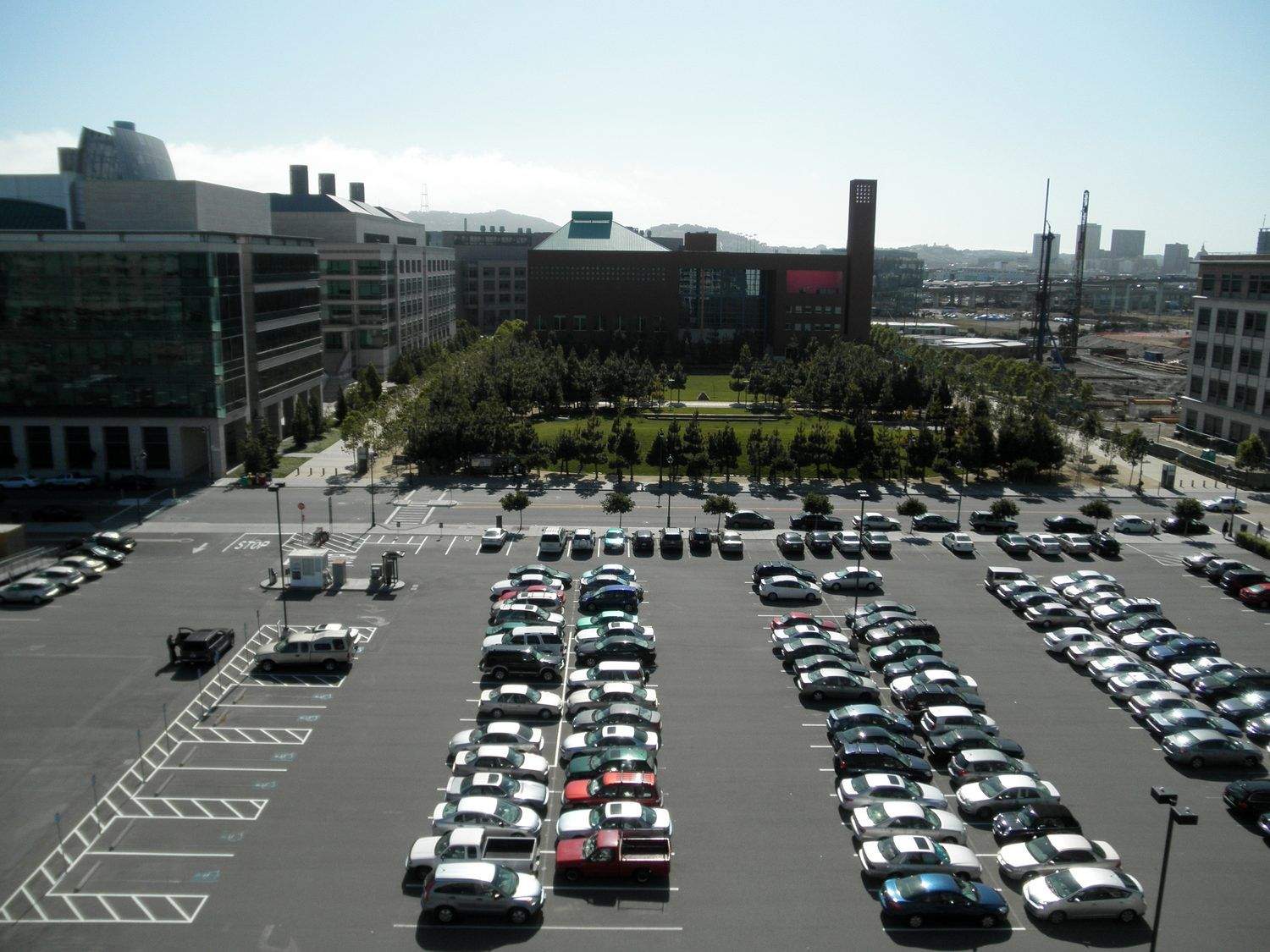
Move-in weekend hits a campus parking lot harder than almost any other week of the year. Hundreds of vehicles arriving at once, U-Hauls backing into spots that were never designed for trailers, parents pacing across faded crosswalks while juggling boxes, and buses trying to find a loading zone that hasn’t had a visible line on it since spring. If the lot wasn’t ready for that surge, the facilities team finds out about it in real time, usually with a complaint already in their inbox.
Summer is the window to fix that, not the week before orientation. By the time students are back on campus, sealcoating needs curing time, striping needs dry pavement and warm enough temperatures to set properly, and any crack sealing or patching needs to be finished before the lot fills up again. Waiting until late August compresses a job that should be planned in June or July into a scramble that either gets rushed or gets pushed into the school year, when closing sections of a lot is far more disruptive.
In this article:
- Why campus lots take the hardest hit of any property type
- The liability risk hiding in faded lines and worn surfaces
- Getting the sealcoating timeline right before move-in
- Striping priorities that go beyond painting straight lines
- What a pre-semester pavement inspection should actually cover
- Working with a contractor who understands campus scheduling
Why Campus Lots Take the Hardest Hit of Any Property Type
Most commercial lots see a fairly predictable traffic pattern: employees arrive in the morning, leave in the evening, deliveries come through a side entrance. Campus lots don’t work that way. Between September and April, a college or university lot absorbs student traffic, staff traffic, visitor traffic, event traffic, and transit traffic, often all competing for the same asphalt within the same hour.
That volume matters because pavement fails from repeated stress, not just from one heavy load. Every turning movement grinds at the surface. Every bus that pulls into the same loading zone puts pressure on the same few square feet of asphalt, day after day. Over a full academic year, that concentrated wear opens small surface cracks faster than it would on a lower-traffic property. Once water gets into those cracks, freeze-thaw cycles do the rest, prying the pavement apart from the inside during the winter months when the lot is arguably at its busiest.
A campus lot that skipped maintenance over the summer isn’t just starting the school year unprotected. It’s starting the highest-traffic period of its life with a surface that’s already behind.
The Liability Risk Hiding in Faded Lines and Worn Surfaces
Facility managers tend to think of sealcoating and striping as cosmetic upgrades. On a campus, they’re closer to a safety system.
Faded fire lane markings slow down emergency vehicles at exactly the property type where speed matters most, buildings full of students. Worn accessible parking symbols and access aisles create confusion and, in some cases, real barriers for people who depend on those spaces being clearly marked and unobstructed. Crosswalks that have worn down to a ghost of their original paint don’t register the same way to a driver glancing quickly while looking for a parking spot, especially at dusk when campus lots are busiest with evening classes and events.
None of this shows up as an emergency until it does. A near-miss in a crosswalk, a delayed emergency response because a fire lane wasn’t respected, a slip-and-fall claim tied to a pothole that had been growing all summer. These are the incidents that turn a routine maintenance oversight into a liability conversation. As the team at Black and Yellow Pavement Maintenance puts it, the lots that generate the fewest incident reports are almost always the ones where markings and surface condition were treated as a safety line item, not an afterthought.
Getting the Sealcoating Timeline Right Before Move-In
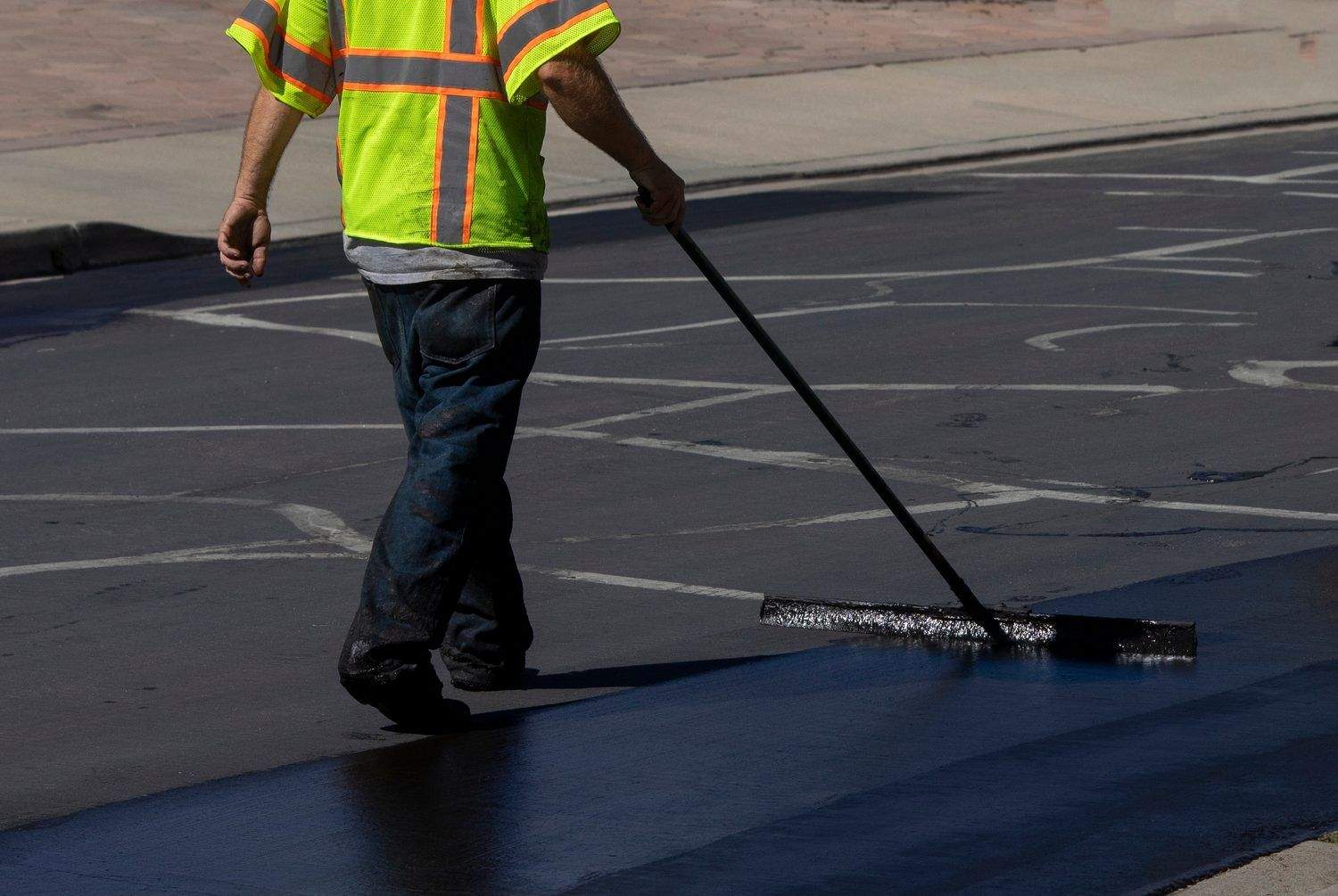
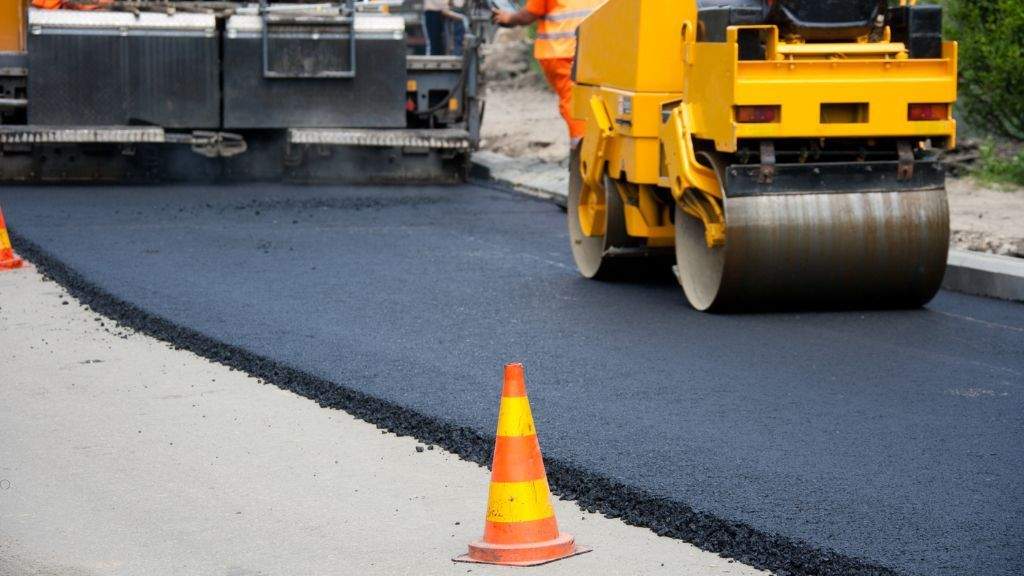
Sealcoating is a weather-dependent process, and campuses that wait too long into August run into a real scheduling problem: warm, dry conditions get harder to guarantee as the season turns, and the lot needs to be closed to traffic while the sealcoat cures.
For a property that’s about to see its busiest week of the year, closing sections in stages is almost always the better call than trying to close the whole lot at once. A phased approach lets a facilities team keep enough spaces open for summer staff and conferences while working through the rest of the property before students arrive. It also gives the pavement itself a chance to fully cure in sections, rather than rushing the whole surface and risking tire marking or surface damage in that first week of heavy traffic.
The other reason early timing matters is that sealcoating isn’t meant to go on top of damage. Cracks and potholes need to be addressed first. A sealcoat applied over unresolved cracking looks good for a matter of weeks and then telegraphs the same problems right back through the surface, which means the summer prep window has to account for repair time, not just the sealcoat application itself.
Striping Priorities That Go Beyond Painting Straight Lines
Repainting a lot isn’t just about making the stall lines visible again. A well-planned striping job before the semester starts should prioritize, in this order:
- Fire lanes and emergency access routes, since these carry the highest safety stakes
- Bus loading zones and drop-off areas, which see the heaviest concentrated traffic in the first weeks of the term
- Accessible parking stalls and access aisles, including the connecting path to building entrances
- Pedestrian crosswalks near residence halls, libraries, and lecture buildings
- Standard stall lines and directional arrows across the general parking areas
Campuses that grew organically over the years often have layouts where the current striping doesn’t actually match how the lot is used anymore. A pre-semester striping job is a natural point to correct that: reworking traffic flow around a new building entrance, adding a marked pedestrian path where students have clearly started cutting across the lot on foot, or expanding a bus zone that’s been too tight for the fleet using it. Painting over the old layout without questioning it just repeats whatever wasn’t working the year before.
What a Pre-Semester Pavement Inspection Should Actually Cover
A quick walk-through isn’t enough to catch what a lot needs before the term starts. A proper inspection ahead of the fall semester should look at:
- Standing water after rain, which points to drainage or grading issues rather than a surface problem alone
- Alligator cracking or web-like cracking patterns, which usually signal base failure rather than a simple surface fix
- Edge cracking along curbs and lot perimeters, often the first place freeze-thaw damage shows up
- Faded or peeling striping in high-priority zones, particularly fire lanes and accessible stalls
- Areas where tree roots or utility work have disturbed the base underneath the asphalt
This is also where the counterintuitive part of campus pavement planning comes in. Many facility teams assume the busiest, most visibly worn sections need the most aggressive repair. Often the opposite is true. A section with heavy but even wear is usually still structurally sound and just needs surface renewal, while a quieter corner of the lot with pooling water and a spiderweb of cracks can be hiding base failure that will cost far more to fix if it’s left through another winter. Prioritizing by visible traffic volume alone can mean missing the section that’s actually failing.
Working With a Contractor Who Understands Campus Scheduling
Campus properties come with constraints that a standard commercial lot doesn’t: move-in dates that can’t shift, event calendars booked months in advance, emergency vehicle access that can never be fully blocked, and multiple stakeholders (facilities, campus security, student housing) who all need visibility into the work schedule.
A contractor who’s worked on institutional properties before will plan around those realities rather than treating a campus lot like any other commercial job. That means proposing a phased schedule that respects move-in weekend, communicating clearly with facilities staff at every stage so nobody is caught off guard by a closed section, and having a crew large enough to complete sealcoating and striping within the actual weather and calendar window available, not an idealized one.
Booking a free site inspection in June or July, rather than waiting for the first cool week in August, gives a contractor the room to actually deliver on that kind of plan instead of squeezing a full lot into a rushed weekend before the first day of classes.
Get Ahead of Move-In Weekend
Waiting until students are already back on campus turns pavement maintenance into damage control. If your lot is showing faded fire lanes, worn crosswalks, or cracking that got away from you over the past year, now is the window to get it handled before the fall semester traffic arrives. Black and Yellow Pavement Maintenance works with property and facility managers across the GTA and Waterloo Region to plan sealcoating and striping projects around real campus calendars, not generic scheduling. Reach out for a free site inspection and a detailed quote before your lot fills up for the year.