
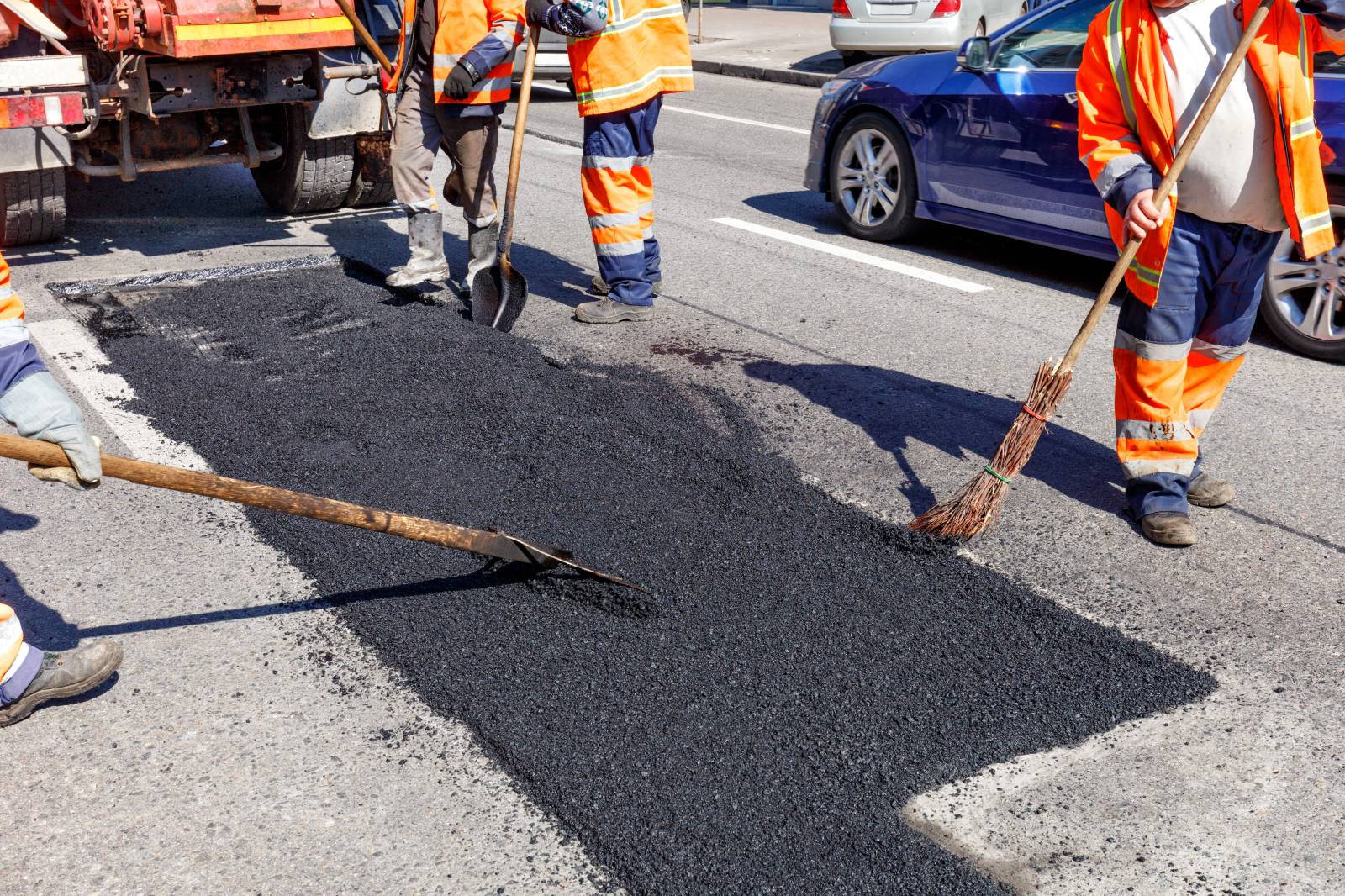
Every winter, asphalt parking lots across Ontario face the same hidden enemy: the freeze-thaw cycle.
Snow, ice, and freezing temperatures slowly weaken pavement. At first, the damage is hard to see. But by early spring, cracks widen, potholes appear, and parking lots begin to break down.
For property managers and business owners, March is often when the damage becomes obvious. As snow melts, new potholes appear almost overnight.
Understanding how freeze-thaw damage works can help property owners act quickly and protect their pavement. In many cases, infrared asphalt repair offers one of the most effective ways to restore parking lots before the damage spreads.
What Is the Freeze-Thaw Cycle and Why Does It Damage Asphalt?
The freeze-thaw cycle is one of the biggest causes of pavement damage in Ontario.
It happens when temperatures move above and below freezing. This allows water to freeze, melt, and freeze again inside the pavement.
Here is how the process works.
First, small cracks form in asphalt from normal wear and traffic. Rainwater or melting snow then enters those cracks.
When temperatures drop, the water freezes. As water freezes, it expands. This expansion pushes the asphalt apart and makes the cracks wider.
When temperatures rise again, the ice melts. The water remains inside the pavement and fills deeper spaces.
This cycle repeats many times throughout winter.
Over time, the pavement structure becomes weak. The asphalt surface begins to break apart, which leads to:
- Cracked parking lot surfaces
- Parking lot pothole repair needs
- Asphalt patch repair
- Surface depressions
- Larger pavement failures
This is why commercial pavement maintenance becomes so important after winter ends.
Why Does Asphalt Damage Often Appear in Early Spring?
Many property managers notice that their parking lots look fine during winter. But as soon as temperatures begin rising in March, damage appears quickly.
This happens because the pavement is weakest right after winter.
During winter, ice fills the cracks and holds the pavement together. When temperatures warm up, that ice melts and leaves empty spaces beneath the surface.
Once vehicles drive over those weak areas, the asphalt collapses and potholes form.
This is why March is often when businesses begin seeing:
- New potholes
- Larger pavement cracks
- Loose asphalt patches
- Surface crumbling
Without quick repairs, these problems grow rapidly as spring rain and traffic increase.
Why Are Parking Lots More Vulnerable Than Roads?
Commercial parking lots experience different stress than public roads.
While roads carry fast-moving traffic, parking lots deal with heavy turning movements and slow vehicles.
This creates extra stress on the asphalt surface.
Parking lots also face additional challenges such as:
- Garbage trucks stopping in the same areas
- Delivery trucks carrying heavy loads
- Snowplow scraping during winter storms
- Water pooling in low spots
- Forklifts and industrial vehicles
Because of these factors, parking lots often develop potholes and cracks faster than roads.
This makes services like parking lot asphalt maintenance, parking lot crack sealing, and infrared asphalt repair essential for commercial properties.
How Do Small Cracks Turn Into Large Potholes?
Most potholes begin as small cracks.
When cracks are left untreated, water enters the pavement structure. Over time, that water weakens the base layer beneath the asphalt.
As the freeze-thaw cycle continues, the cracks grow wider and deeper.
Eventually, the asphalt surface breaks apart.
Traffic pressure then removes loose pieces of asphalt, creating a pothole.
Once potholes form, they can spread quickly across the pavement surface.
That is why services like asphalt crack sealing, hot rubber crack filling, and parking lot crack repair are critical parts of preventative pavement maintenance.
Why Is Infrared Asphalt Repair Ideal for Spring Repairs?
Spring is one of the best times to repair asphalt damage.
Temperatures are warmer, snow has melted, and pavement conditions become easier to inspect.
One of the most effective repair methods used today is infrared asphalt repair.
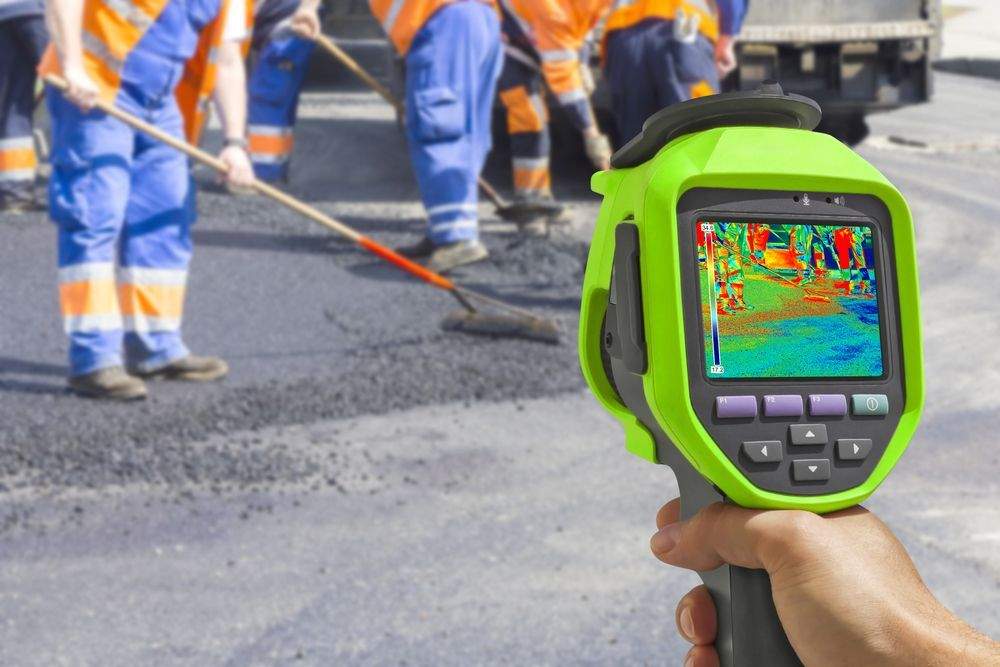
This process uses specialized infrared heaters to warm the damaged asphalt surface. The heat softens the pavement so it can be reworked and blended with new asphalt material.
Once the asphalt is heated, technicians:
- Rake the softened material
- Add new asphalt where needed
- Compact the surface to restore strength
This creates a seamless repair that blends with the surrounding pavement.
Because the repair bonds with the existing asphalt, it is often stronger than traditional patch repairs.
What Types of Pavement Damage Can Infrared Repair Fix?
Infrared repair is extremely versatile and can address many common pavement problems.
Typical repairs include:
- Parking lot pothole repair
- Asphalt patch repair
- Cracked parking lot repair
- Utility cut repairs
- Surface depressions
- Failed asphalt patches
Infrared asphalt repairs restore pavement without cutting large sections of asphalt out of the parking lot.
This reduces disruption and allows businesses to keep their parking areas open during repairs.
Why Is Infrared Repair Better Than Traditional Asphalt Patching?
Traditional asphalt patching usually involves cutting out a square section of pavement and replacing it with new asphalt.
While this method fixes the pothole, it creates seams between the new and old pavement.
These seams can allow water to enter again, which eventually causes the repair to fail.
Infrared asphalt repair avoids this issue.
Instead of cutting the asphalt out, the existing pavement is reheated and blended with fresh asphalt. This creates a continuous bond with the surrounding surface.
Benefits of infrared asphalt repair include:
- Stronger repairs
- Faster installation
- Minimal disruption to traffic
- Seamless finished appearance
- Longer lasting results
Many infrared asphalt repair companies now recommend this method for commercial pothole repair and parking lot restoration.
Why Should Property Managers Inspect Pavement in March?
March is the ideal time to evaluate pavement conditions.
Winter damage becomes visible once snow melts and temperatures rise. This allows property managers to identify areas that need repair before the busy spring season begins.
A pavement inspection should look for:
- Surface cracks
- Loose asphalt
- Small potholes forming
- Drainage problems
- Faded parking lot striping
Early inspections allow repairs to be scheduled before the damage spreads.
This approach helps reduce repair costs and extend pavement life.
How Do Crack Sealing and Sealcoating Help Prevent Winter Damage?
Preventative maintenance is one of the best ways to protect asphalt from freeze-thaw damage.
Two key services play a major role in pavement protection.
Asphalt Crack Sealing
Crack sealing prevents water from entering the pavement structure.
During hot rubber crack filling, flexible sealant is applied to cracks to block moisture. This helps prevent freeze-thaw damage during winter.
Common services include:
- Parking lot crack sealing
- Commercial asphalt crack repair
- Asphalt parking lot crack repair
Commercial Asphalt Sealcoating
Sealcoating adds a protective layer over the asphalt surface.
This coating helps protect the pavement from:
- Water penetration
- UV damage
- Oil and chemical spills
- Traffic wear
Many property managers schedule commercial asphalt sealcoating every few years to maintain their pavement.
Together, crack sealing and sealcoating form the foundation of effective commercial pavement maintenance.
Why Do Spring Repairs Save Property Owners Money?
Waiting too long to repair asphalt damage can lead to expensive reconstruction.
Small potholes grow larger. Cracks spread across the pavement. Water continues weakening the base layer.
Eventually, the pavement may require full replacement.
Spring repairs stop this process early.
Addressing damage with infrared asphalt repair, parking lot crack sealing, and asphalt patch repair helps prevent larger failures later.
This reduces long-term repair costs and keeps parking lots safe for vehicles and pedestrians.
Why Is Parking Lot Maintenance Important for Businesses?
A well-maintained parking lot improves safety, appearance, and property value.
Customers often judge a business before they even walk inside the building. A damaged parking lot can create a negative first impression.
Common problems caused by poor pavement maintenance include:
- Trip hazards for pedestrians
- Vehicle damage from potholes
- Confusing traffic flow
- Poor property appearance
Routine parking lot asphalt maintenance helps businesses maintain a professional and safe environment.
Services like parking lot striping, sealcoating, and crack repair also improve visibility and organization within the parking area.
What Should Property Managers Do After Winter Ends?
Once winter ends, property managers should take several steps to protect their asphalt surfaces.
Start with a thorough pavement inspection. Look for cracks, potholes, and other signs of damage.
Next, schedule necessary repairs as soon as possible.
Common spring maintenance services include:
- Infrared asphalt repair
- Parking lot pothole repair
- Asphalt crack sealing
- Commercial asphalt sealcoating
- Parking lot line painting
Completing these repairs early helps prevent damage from spreading during the busy spring and summer seasons.
Ready to Repair Winter Asphalt Damage?
Winter can be extremely tough on asphalt surfaces. The freeze-thaw cycle causes cracks, potholes, and structural pavement damage across parking lots.
Spring is the best time to address these problems.
Professional services like infrared asphalt repair, parking lot crack sealing, and commercial asphalt sealcoating can restore pavement quickly and extend its lifespan.
If your parking lot has visible winter damage, early repairs can prevent larger issues and protect your asphalt investment.
Contact the team today to schedule a pavement inspection and get your parking lot ready for the season ahead.
Black & Yellow Pavement
125 Lennox Lewis Way
Kitchener, ON N2C 2V1
Phone: (519) 591-4588
Professional commercial pavement maintenance services are available for businesses throughout Kitchener, Waterloo, and surrounding areas.